
by Alicia Niedzwiedzki, DVM

Contents
- The right veterinarian
- Steps for low stress vet visits
- The right carrier
- Getting used to the carrier
- The day of the vet visit
- The car ride
- At the vet
Introduction
Let’s face it, going to the vet can be stressful for many cats… and for us humans, too! We hate to see our cats scared and uncomfortable. Our feline friends are creatures of habit, and they want to be in control of their environment as much as possible. Vet visits not only disrupt their daily routine, but also take away their sense of control over the situation. That’s a double whammy of stress. Furthermore, some cats associate bad memories with their vet visits, like scary barking dogs, or unpleasant smells, or the pain of injections.
Never fear … with a little preparation and patience, you can dramatically reduce stress associated with veterinary visits. Read on for step-by-step strategies straight from a veterinarian!
The Right Veterinarian
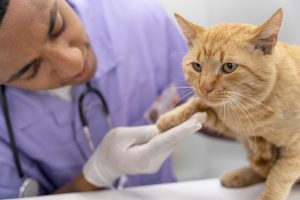
Your choice of vet can have a big impact on your cat’s overall experience. Feline-only clinics tend to be less noisy and stressful overall, and are generally staffed by people who understand and love cats. However, there are also excellent clinics that see dogs and cats that take steps to ensure the comfort of their feline patients. Such clinics may incorporate separate areas in their lobby for cats, utilize cat-only exam rooms, and take care that the general atmosphere is calm and quiet.
Notice how your cat is handled at the vet. If your cat is being offered treats, and being handled quietly, slowly, and respectfully, these are all good signs. Fear free and low stress handling techniques rarely, if ever, include scruffing your cat. Another positive indicator of a cat-friendly hospital is when towels or no-slip mats are placed on the exam table for your cat’s comfort. Examining cats on a hard, cold, slippery surface can decrease their sense of security.
If you have any concerns about how your cat is being handled, or if it does not appear that your cat’s emotional well-being is being prioritized during vet visits, that is a very valid reason to reassess. It is important to realize that the stress of vet visits cannot be completely eliminated for all cats, even with the best of low-stress techniques. However, if your cat is visibly fearful (hissing, vocalizing, yowling), and forcefully handled in spite of escalating panic, this can create a traumatic experience for them and make future vet visits terrifying. For cats with high levels of fear at the vet, a good veterinarian will recommend sedation (oral, injectable, or both).
Choosing vet clinics or hospitals that are Fear Free and/or AAFP Cat Friendly Certified further increases your chances that the team handling your cat is trained in low-stress handling techniques.
In the USA, the American Animal Hospital Association (AAHA) is an organization that accredits certain hospitals that meet hundreds of rigorous medical standards ranging from anesthetic protocols to patient care and safety. Only a minority of hospitals in the USA are accredited. Having worked in a number of AAHA-accredited hospitals, and participated in the accreditation process myself, I can confidently say that an AAHA-accredited hospital is more likely (though not always guaranteed), to have a high standard of care that meets current guidelines. Non-accredited hospitals can also be excellent, though it can be more difficult to know what you’re dealing with if you aren’t working behind the scenes.
Search for AAHA-accredited hospitals in the USA
Search for Cat Friendly Clinics in the USA
Search for Cat Friendly Clinics in Europe
Search for Fear Free Certified Veterinary Practices
LOW STRESS VET VISITS, STEP BY STEP
Preparation is key!
Don’t underestimate the power of preparation! Stress reduction before the appointment is half the battle. That’s why your preparation at home is such an important aspect of setting your cat up for success.
Step 1: The right carrier
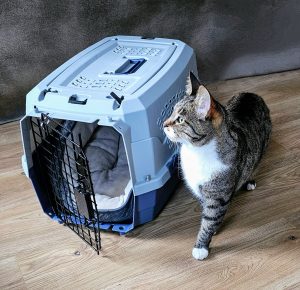
BEST: A hard carrier with a top that is easily removed
- Cats feel safest if they feel like they are hiding. As such, carriers that are open on all sides will make a cat feel exposed, and should be avoided.
- A soft, no slip bed with raised sides placed at the bottom of the carrier will be the most comforting for your feline friend!
- If your cat is known to soil the carrier on the way to the vet, consider using a disposable pet potty pad or an old towel or blanket that can be easily removed and washed or thrown away. Bring a replacement bed, towel, or blanket, so that your cat has a clean, fresh, soft alternative.
- The carrier should be large enough for your cat to be able to stand and comfortably turn around. This may be best accomplished with a small dog carrier.
- If you are bringing multiple cats to the vet at a time, separate carriers are always recommended.
Step 2: Get your cat used to the carrier ahead of time
- Leave the carrier out for several weeks or months prior to the visit.
- Feed treats and meals in / around the carrier
- Use catnip around the carrier
- Make it cozy and comfy
- Consider a few short car trips, a few times a week, with lots of treats and praise, especially in the time leading up to the vet visit, so your cat doesn’t only associate the car with the vet.
Step 3: The day of the vet visit: Get in a calm headspace

If you are anxious, your cat will pick up on your cues and feed off of your anxiety. As many are well aware (myself included), managing our own anxiety is a whole project on its own, and sometimes easier said than done!
Some easy tips for anxiety reduction include:
- Keep your movements and voice slow, quiet, and calm. This will be very reassuring to your feline friend.
- A calming meditation before the vet visit can be very helpful. Insight Timer is a great free app that has a wide variety of guided meditations. Youtube also has a number of resources.
- Here are a few of my Youtube favorites:
- 5 Minute Meditation for Anxiety, by Great Meditation